

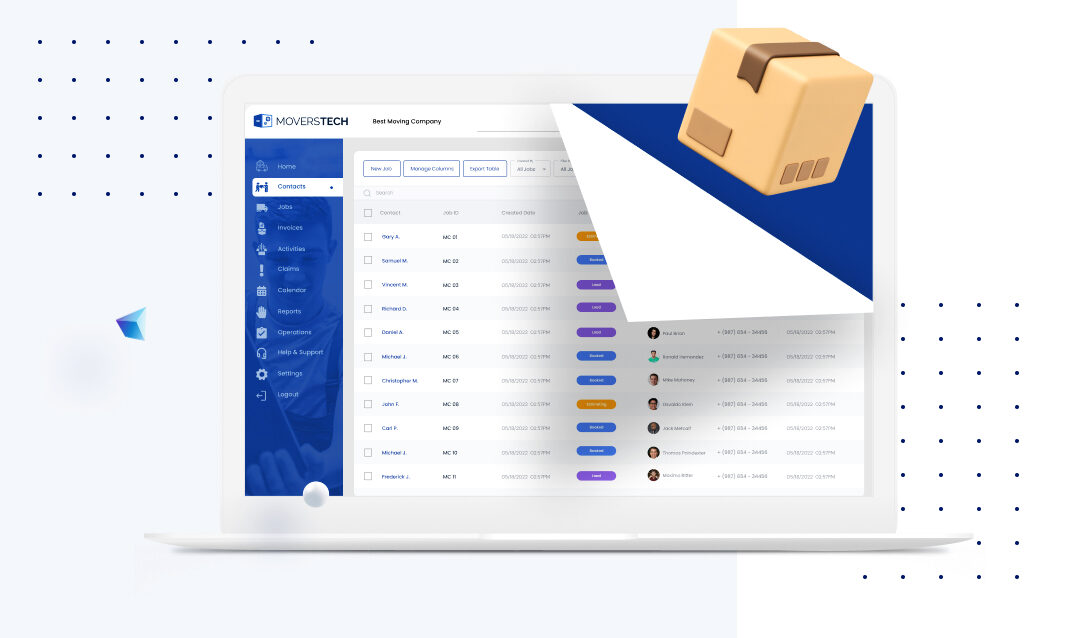
Top moving trends show a shift toward personalized services, advanced technology, sustainability, and flexible housing. Customers expect real-time updates, digital tools, eco-friendly practices, and faster, more reliable service. Moving companies that adopt smarter scheduling, automation, and customer-focused solutions will stay competitive as these trends reshape the industry.
Customer expectations are changing faster than many moving companies expect. What began in 2025 has already reshaped how people compare services and make booking decisions. Clients now expect faster service, clearer communication, and more flexible options. Many of these demands will grow stronger as moving trends in 2026 take shape. Companies that rely on manual work face more pressure as competition increases. We will tell you how recent changes affect daily operations and customer expectations. We will review lessons from 2025 and highlights of moving industry trends 2026 is building on. Solutions like MoversTech CRM can help you streamline operations, improve customer service, and align with these emerging trends.
What were the moving trends in 2025?
The past year introduced major changes across the industry. Many of the moving trends in 2025 came from shifting customer behavior, higher operating costs, and growing pressure to work faster with fewer errors. These changes created both challenges and opportunities for moving companies.
Understanding these moving industry trends 2025 helped shape how businesses operate today. The following areas defined the year and continue to influence planning going into 2026:
- Personalized moving solutions
- Technology integration
- Sustainability in moving practices
- Growth of the expatriate market and remote work
- Flexible housing and cost control
Personalized moving solutions
Customer expectations changed in 2025 and continue to influence how moves are planned today. Many clients no longer want basic transport alone. They expect services built around their schedule, belongings, and living situation. These demands reflect broader moving trends across the industry and remain part of ongoing moving trends.

Here is what customers now look for:
- Fragile item care: Clients expect careful packing and handling of valuable items. This includes proper materials, clear labeling, and protection for electronics, artwork, and antiques.
- Temporary storage solutions: Short-term storage is now common due to flexible housing, delayed move-in dates, or downsizing. These needs connect closely with relocation trends seen across residential and long-distance moves.
- Cross-time zone coordination: International and cross-country relocations require accurate scheduling. Customers expect clear timelines that prevent delays and confusion.
- Local integration support: Some clients want help after arrival, such as guidance with utilities or local services. This expectation continues to appear in moving industry news as relocation patterns evolve.
To meet these expectations, moving companies must rethink how services are built. Flexible packages help address different budgets and timelines. Add-on options like storage, furniture assembly, or home setup support follow modern moving industry best practices. Asking clear questions early allows teams to plan each move with fewer gaps.
After you use MoversTech CRM to capture leads from various sources, you can use it to make personalization easier. Teams can record specific client requests, such as fragile-only packing or climate-controlled storage. Automated email and SMS updates keep customers informed throughout the process. This reduces missed details, improves clarity, and helps maintain consistent communication from booking through move day

Technology integration
Technology continues to reshape how moving companies operate. Clients now expect real-time tracking, digital inventories they can access online, and clear updates throughout the move. These expectations grew in 2025 and remain central to current moving trends as companies prepare for higher service standards.
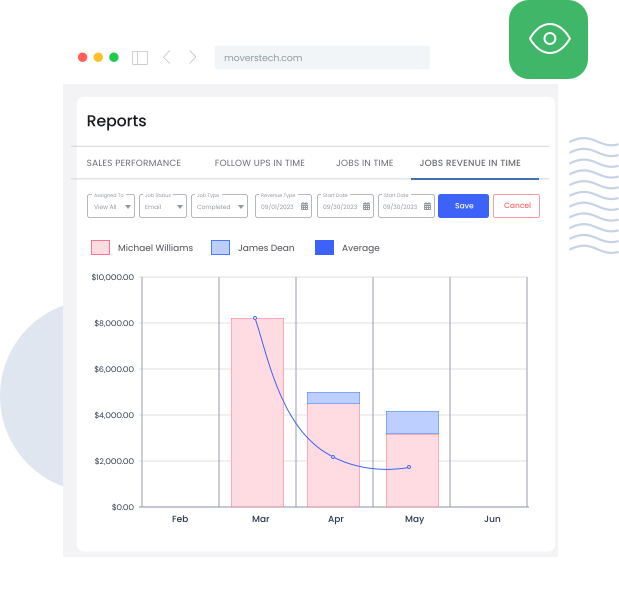
To meet these demands, focus on tools that solve daily operational issues. Real-time tracking allows customers to follow each stage of the move from pickup to delivery. Digital inventories help clients review their items and reduce last-minute confusion. Data analysis tools reveal patterns such as peak booking periods, route delays, and staffing gaps. This approach supports stronger planning and reflects modern moving industry best practices. Using real-time dashboards also helps teams react faster when issues appear. Get moving company reports to gain deeper insight into performance and improve decision-making.
MoversTech CRM supports these workflows through practical automation. Its real-time reporting allows teams to monitor jobs closely and adjust quickly when traffic, timing, or crew availability changes. This keeps operations moving and customers informed. Built-in e-signature tools simplify document handling by allowing agreements to be signed digitally. This reduces paperwork, speeds up approvals, and improves security across the process.
Sustainability in moving practices
Environmental responsibility continues to influence how customers choose moving companies. What gained momentum in 2025 now affects daily decision-making. Many clients prefer movers that reduce waste, limit emissions, and show clear efforts to operate responsibly. This shift is regularly reflected in moving industry news as sustainability becomes a standard expectation rather than a bonus.
Reviewing past performance helps identify areas for improvement. A detailed year-end review for moving companies can reveal where materials are wasted, or fuel usage runs high. Small changes can still create a measurable impact. Reusable packing bins, recycled cardboard, and paper-based protective materials reduce waste without disrupting operations. Encouraging customers to return reusable items or recycle after a move supports long-term sustainability goals. Updating fleets with fuel-efficient vehicles or exploring hybrid options can further reduce emissions.
Route planning also plays an important role. Optimized scheduling lowers fuel use and reduces unnecessary trips. Grouping nearby pickups and deliveries improves efficiency while cutting environmental impact. Training crews to pack efficiently helps maximize truck space and avoid extra loads. These efforts continue to rank among the most important moving trends shaping the industry.
A good moving CRM supports sustainability through smarter dispatch planning. Its routing tools help reduce mileage and fuel consumption. Real-time reporting allows teams to track data such as fuel usage or material savings and share progress clearly with customers.
Growth of the expatriate market and remote work
Remote work continues to change how and where people live. What accelerated in 2025 still drives relocation decisions today. Nearly 22.9 percent of the U.S. workforce now works remotely, which equals more than 36.6 million people. This flexibility allows professionals to move across cities, states, and even countries without changing jobs. These shifts strongly influence relocation trends and increase demand for long-distance and international moving services. Companies relocating employees also add to this demand, often requiring structured logistics and reliable coordination.
To operate successfully in this market, moving companies must prepare for complex relocation requirements. Cross-border moves involve customs documentation, multi-stage transport, and timelines that stretch across time zones. Offering added support such as settling in guidance or temporary housing coordination can increase value for corporate and expatriate clients. These expectations continue to shape relocation trends 2026 as mobility remains tied to remote and hybrid work models.
A fully functional moving CRM helps manage these challenges through organized operations. Dispatch tools allow teams to plan international moves with greater accuracy. The operations calendar helps assign crews and vehicles without overlap or confusion. Automatic job notifications keep teams updated when schedules change. Movers can access job details through the Crew Access App, making adjustments faster and reducing miscommunication across long-distance moves.
Flexible housing and cost control
Flexible living arrangements and tighter budgets continue to influence how people move. What became visible in 2025 still affects planning today. Many clients now choose short-term housing, downsize to manage costs, or relocate temporarily for work or education. These patterns remain part of broader moving trends and continue shaping demand as companies look ahead to moving trends 2026.
Moving companies can respond by offering services built for smaller and shorter moves. Packages designed for studio apartments, shared housing, or temporary relocations help meet this demand. Partial service options such as packing assistance or furniture disassembly attract cost-conscious customers. Short-term storage also adds value for clients in transition and supports growing relocation trends 2026.
Efficiency plays a major role in maintaining profit. Grouping nearby jobs, optimizing schedules, and completing multiple small moves in one day help control operating costs. Teams should be trained to handle short moves quickly while maintaining service quality. Clear pricing builds trust and avoids confusion for budget-focused customers. Simplify customer communication to improve clarity and reduce unnecessary follow-ups.
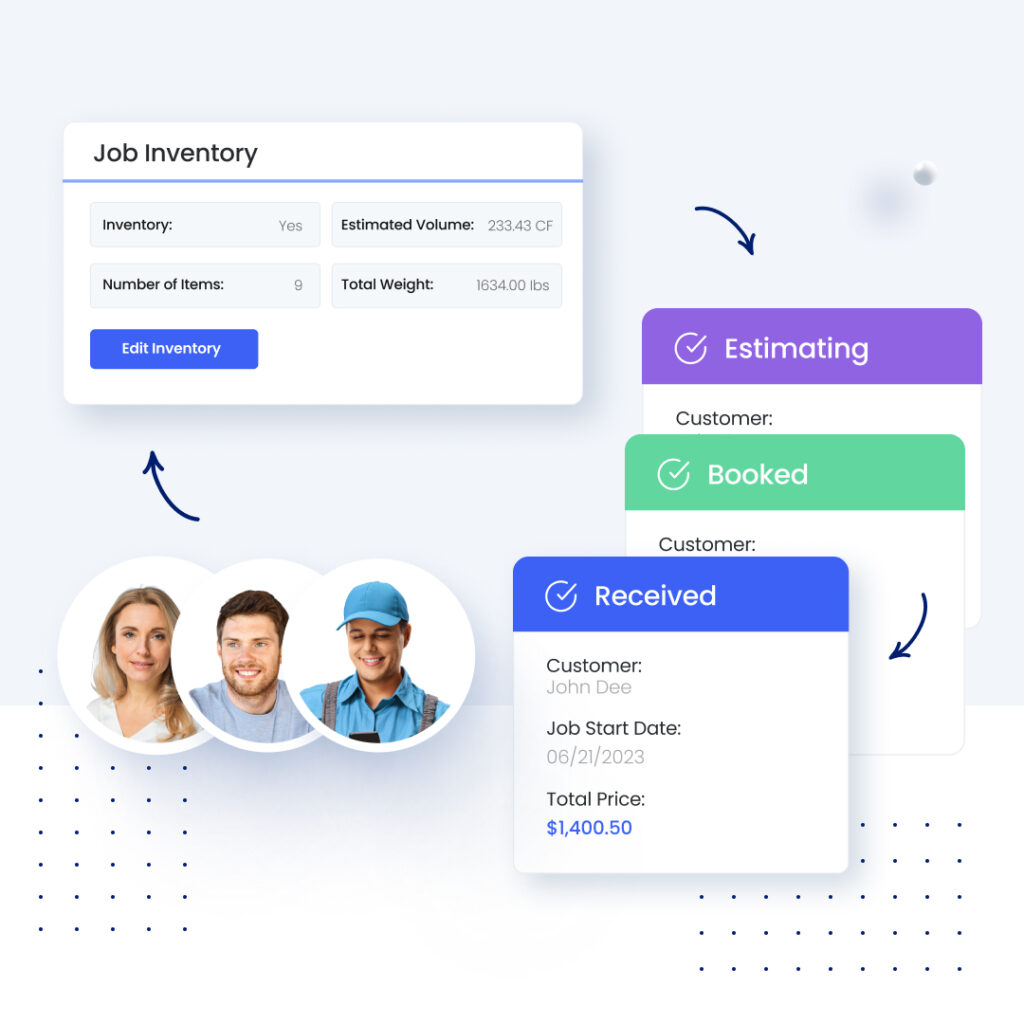
Moving CRM supports these adjustments through structured job management. Teams and vehicles can be assigned more efficiently for smaller jobs. Real-time financial tracking helps monitor expenses, compare job costs, and set pricing that protects margins while remaining competitive.
Evergreen moving industry trends that continue into 2026 and beyond
Some changes in the moving industry do not fade after one year. They continue to affect how companies plan jobs, manage teams, and serve customers. These long-term shifts influence both moving trends and relocation trends across residential and commercial moves:
- Digital transformation – Digital systems are now part of daily operations. Manual tracking, paper forms, and scattered tools slow response time and increase errors. Many companies now rely on centralized platforms to manage estimates, scheduling, billing, and communication. This reflects broader moving industry trends focused on structure and consistency.
- Automation in daily workflows – Automation continues to expand across office operations. Automated follow-ups, reminders, and job updates reduce manual work and help teams respond faster. Dispatch automation improves routing and crew coordination, which limits delays and improves efficiency.
- Sustainability expectations – Customers expect clear efforts to reduce waste and fuel usage. Transparency around materials and emissions appears frequently in moving industry news and continues to influence buying decisions.
- Labor shortages and rising costs – Fewer available workers and higher expenses push companies to operate more efficiently. Tracking job performance and costs supports smarter planning and aligns with moving industry best practices.
- Customer personalization – Personalized communication and flexible service options remain essential. These expectations continue shaping movers trends across the industry.
What we learned from moving trends in 2025
The past year revealed important shifts across the industry. The moving trends 2025 showed how quickly customer expectations can change as demand increases. As more people requested quotes and faster scheduling, pressure on office teams grew.
Because of this, response speed became a major lesson. Customers expected quicker replies and clearer updates. When manual follow-ups slowed communication, booking opportunities were often lost. This change explains why moving industry trends 2025 pushed many companies to rethink how they manage inquiries.
At the same time, visibility became essential. Without real-time access to job status, teams struggled to manage delays or sudden schedule changes. As a result, confusion increased for both staff and customers.
In addition, workflow consistency proved critical. When information was spread across emails, notes, and spreadsheets, errors became more common. These challenges appeared often in moving industry news throughout the year.
Together, these lessons confirmed one point. Organized systems and structured workflows are now necessary for stable operations and long-term growth.

New moving trends emerging in 2026
The year ahead brings new pressure and new expectations. As moving trends 2026 continue to develop, companies must prepare for changes that affect both operations and customer experience. These shifts reflect broader moving industry trends 2026 and shape how movers plan for the year ahead:
- Faster response expectations – Customers expect quicker replies, faster quotes, and clearer timelines. Delayed communication now leads to lost bookings, especially during busy periods.
- Deeper automation across operations – Automation is expanding beyond basic follow ups. Scheduling, job updates, and internal coordination rely more on automated workflows to reduce manual work and improve accuracy.
- Sustained relocation demand – Remote and hybrid work continue to influence where people live. This keeps relocation trends 2026 strong for long-distance and cross-state moves, requiring better coordination and planning.
- Stronger focus on cost control – Rising fuel, labor, and insurance costs increase pressure on margins. Monitoring performance and expenses becomes essential.
- Data-driven planning – The moving industry forecast 2026 shows growing reliance on reporting to guide pricing, routing, and staffing decisions.
Adapt now to secure your future
There will be rapid changes and new moving trends in 2026. Have you started preparing your moving business for the new year? You should. The industry continues to evolve, and expectations keep rising. Lessons from last year and the direction of 2026 show that organization and speed matter more than ever. MoversTech CRM helps teams stay structured, improve visibility, and manage daily operations with clarity. Preparing early allows your business to stay competitive, reduce stress, and maintain consistent service as the moving industry continues to change.
Reviewed by: Ned Bjelos
